
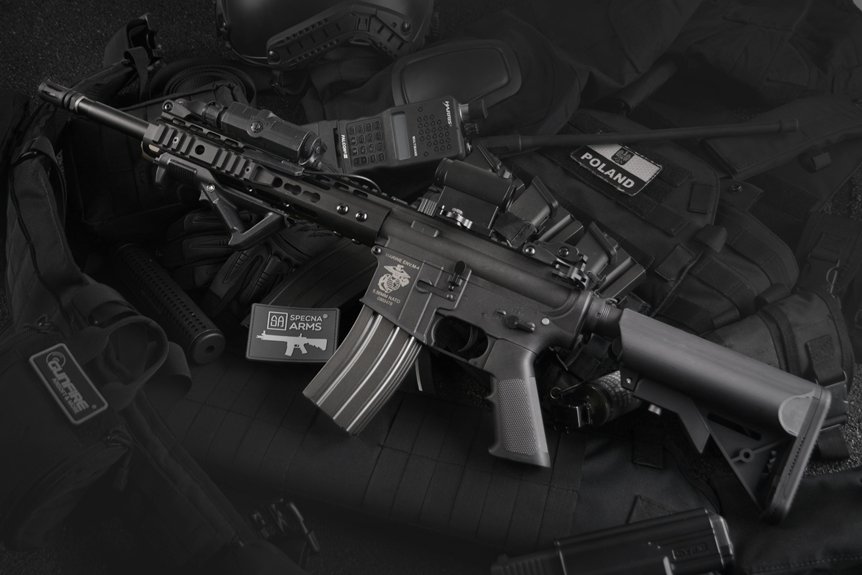
A striker fired pistol is a handgun that uses a spring-loaded striker to ignite the cartridge, eliminating the need for a traditional hammer. This mechanism simplifies the design and provides a consistent trigger pull with each shot. If you’re considering a striker fired pistol for self-defense or concealed carry, it’s crucial to understand the advantages and potential drawbacks of this type of firearm. Let’s explore what makes these pistols stand out.
Understanding the Mechanism of Striker Fired Pistols
While many shooters appreciate the simplicity of striker fired pistols, understanding their mechanism is essential for effective use.
Striker fired systems utilize a spring-loaded striker instead of a hammer, which means there’s no external cocking mechanism. When you pull the trigger, you compress the striker spring and release the striker, igniting the primer. This design results in a consistent trigger pull, as the same amount of force is required for each shot.
Additionally, since there’s no hammer, the profile of the pistol remains streamlined, aiding in concealability. Familiarizing yourself with the internal components, such as the firing pin block and safety mechanisms, enhances your proficiency and confidence in handling these firearms, ensuring peak performance during use.
Advantages of Striker Fired Designs
Striker fired designs offer several advantages that appeal to both novice and experienced shooters. One of the primary benefits is their simplicity.
With fewer moving parts and a streamlined mechanism, these pistols often require less maintenance and are easier to disassemble. You’ll also find that they provide a consistent trigger pull, enhancing accuracy and reducing the likelihood of shooter error.
The absence of a hammer means a more compact profile, making these pistols easier to carry. Additionally, many striker fired models feature safety mechanisms that prevent unintentional discharge while still allowing for a quick response.
Disadvantages to Consider
Although striker fired pistols are popular, there are several disadvantages you should consider before making a purchase.
One major concern is the lack of an external safety mechanism, which can lead to accidental discharges if you’re not careful.
Additionally, the trigger pull can be heavier compared to double-action systems, making precise shooting more challenging for some users.
You might also find that striker fired pistols typically have a shorter reset, which could affect your shooting rhythm.
Ultimately, while these pistols are generally reliable, some models may experience issues with primer strikes due to the firing pin design.
Weighing these factors can help you determine if a striker fired pistol truly fits your needs and preferences.
Comparing Striker Fired and Hammer Fired Pistols
When considering a pistol purchase, understanding the differences between striker fired and hammer fired systems can greatly influence your decision.
Striker fired pistols utilize a spring-loaded firing pin, providing a consistent trigger pull with each shot. This design often leads to lighter triggers and faster follow-up shots.
On the other hand, hammer fired pistols feature an external hammer that can be either single or double action. This allows for a variety of trigger pull weights and styles, but may result in a longer, more complex trigger mechanism.
Regarding safety, striker fired models generally incorporate integrated safety features, while hammer fired pistols may require manual decocking.
Ultimately, your choice will depend on your personal preferences and intended use.
Choosing the Right Striker Fired Pistol for You
How do you determine the best striker fired pistol for your needs? Start by evaluating your intended use—self-defense, competition, or recreational shooting.
Consider factors like size, weight, and grip ergonomics. A compact model might suit concealed carry, while a full-sized option could excel in range performance.
Next, evaluate the caliber. Common choices like 9mm or .40 S&W offer different recoil and stopping power.
Don’t forget about trigger feel; a crisp, consistent trigger can enhance accuracy.
Lastly, research reliability and brand reputation. Reading reviews can give insights into performance and durability.